


How I Fell in Love with Water Kefir
What is water kefir and why it matters
I’ll admit when I first heard about water kefir, I thought it sounded like a science project gone wrong. “Sugar water that ferments with SCOBY-like grains? Sounds suspicious,” I joked. But curiosity won, and years later, this probiotic-rich fermented drink is a staple in my fridge. Unlike dairy kefir, water kefir is completely plant-based, tangy-sweet, and incredibly versatile. It’s made by combining water kefir grains (tiny clusters of beneficial bacteria and yeast) with sugar water. Leave it to ferment at room temperature and boom you’ve got a fizzy, flavorful gut health tonic.
Table of Contents
A kitchen accident that turned fizzy
I first tried making water kefir after a failed kombucha experiment left my kitchen smelling like vinegar. I was looking for something easier and less smelly! A friend from a fermentation group shared her extra grains with me and I was hooked. My first batch bubbled up with natural carbonation and a subtle lemon-fig flavor that totally surprised me. It felt like I had created homemade soda but better. Not only did it taste amazing, but it gave my digestion the gentle boost I’d been hoping for.
Nowadays, I experiment with fruit juice fermentation in the second ferment to create unique, refreshing drinks. From raspberry-mint to fig-orange spice, water kefir has become part of my daily rhythm and gut health routine.
If you’re new to probiotic drinks, start with small sips and let your body adjust. You’ll find that this functional beverage is forgiving, fun, and flavorful just like my kitchen style. And if you’re wondering what to do with leftover grains, try blending them into smoothies or gifting to friends.
Related recipe inspiration? I love pairing it with this colorful detox drink or exploring more fermented & probiotic recipes when I’m in a creative mood.
For more recipes visite our pinterest.
Making Water Kefir at Home, Step by Step
What you’ll need to get started
If you’re new to water kefir, don’t worry it’s surprisingly simple to make. All it takes is a handful of water kefir grains, some sugar water, and a glass jar. These grains (often called tibicos) are clusters of healthy bacteria and yeast that feed on sugar and transform it into a lightly bubbly drink. For the best results, use filtered or dechlorinated water tap water with chlorine can harm the grains.
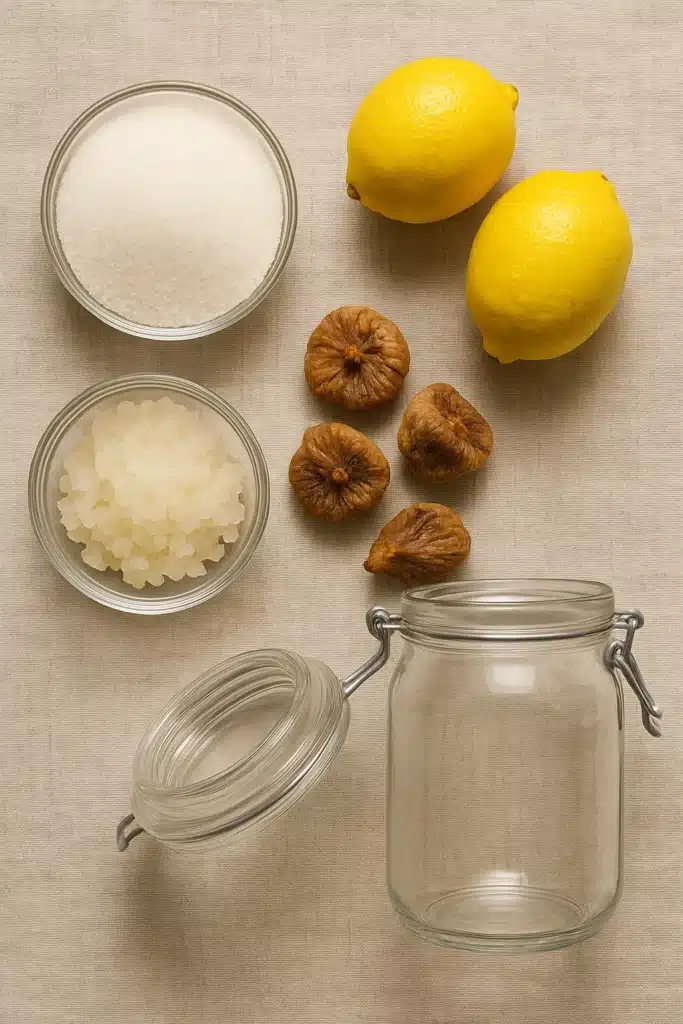
Start by dissolving a few tablespoons of sugar in about four cups of water. Drop in your kefir grains and, if you like, toss in a dried fig or a thin slice of lemon. Cover the jar with a breathable cloth or paper towel and leave it on the counter for 24 to 48 hours. The longer it sits, the less sweet and more tangy it becomes.
Once the time is up, strain the liquid into a bottle and set the grains aside for your next batch. You’ve just made your first batch of fermented water kefir a naturally dairy-free probiotic!
Print
Water Kefir: The Ultimate Homemade Natural Soda for Gut Health
- Total Time: 2 days
- Yield: 4 servings
- Diet: Vegan
Description
A lightly fizzy, dairy-free probiotic drink made by fermenting sugar water with water kefir grains. Naturally supports gut health and easy to flavor.
Ingredients
4 cups filtered water
3 tablespoons organic cane sugar
3 tablespoons water kefir grains
1 slice lemon (optional)
1 dried fig or 2 raisins (optional)
1/4 cup fruit juice or fresh fruit for second ferment
Instructions
1. Dissolve sugar in water in a clean glass jar.
2. Add kefir grains, lemon slice, and fig or raisins.
3. Cover with a breathable cloth and ferment at room temp for 24–48 hours.
4. Strain the liquid and reserve grains for next batch.
5. Pour strained liquid into bottles with fruit juice or fresh fruit.
6. Seal tightly and ferment for another 24–48 hours.
7. Refrigerate and enjoy when lightly fizzy.
Notes
Avoid metal utensils when handling kefir grains.
Burp sealed bottles daily to prevent pressure buildup.
Use only organic or unchlorinated water for healthy fermentation.
- Prep Time: 5 minutes
- Cook Time: 0 minutes
- Category: Fermented Drink
- Method: Fermentation
- Cuisine: Functional
How to add fizz and flavor
Now comes the fun part. Pour the strained liquid into a sealable bottle and add a bit of fruit juice, berries, or a slice of ginger. Seal it and leave it out for another day or two. This extra step creates that natural fizz, just like soda. Store it in the fridge once it’s bubbly to slow down fermentation.
Remember to release the gas once a day if using glass bottles pressure can build up fast! Want some inspiration? Try pairing your finished kefir with something from our healthy sweets section or dig into more fermented and probiotic recipes.
Troubleshooting Water Kefir & Flavor Ideas
How to tell if your grains are alive and thriving
When it comes to water kefir, your grains are the heart of the process. So how do you know they’re healthy? Look for grains that are translucent, plump, and slightly squishy. They should smell slightly sweet and yeasty think of a mild fermented scent, never rotten or sour like spoiled food. If they sink to the bottom and show some activity (bubbling or fizzing in the jar), that’s a great sign.
If your grains stop fermenting or develop an off smell, they may be stressed or dead. Usually, this happens from exposure to hot water, metal utensils, or poor water quality. But don’t toss them just yet sometimes, grains just need a refresh. Try soaking them in sugar water with a slice of lemon or a dried fig for 24 hours in a warm spot.
Also, remember: you can’t make water kefir without sugar. While most of the sugar gets eaten during fermentation, it’s still essential for keeping the grains alive.
Fun flavor combinations to try
Now let’s talk creativity. After your first ferment, there’s room to play. Want a tropical twist? Add pineapple juice and fresh mint. Prefer cozy and spiced? Toss in cinnamon sticks with apple slices. For a berry blast, try raspberries and lemon zest. The second fermentation is your chance to turn this functional beverage into something truly personal.
If your kefir isn’t fizzy enough, store it in airtight bottles and place them in a warm area for 48 hours. A tight seal makes all the difference.
You can even blend extra grains into smoothies or store them in sugar water in the fridge. Explore more ideas in our gut health section or check out the meal prep collection for ways to work kefir into your daily routine.
Frequently Asked Questions About Water Kefir
Does water kefir contain alcohol?
Yes, but only in very small amounts. Typically, water kefir contains less than 1% alcohol, depending on how long it ferments and the temperature. A longer ferment or warmer environment may slightly raise the level.
Where can you buy water kefir or grains?
You can find bottled water kefir in most health food stores and natural grocers. For brewing at home, look for water kefir grains online or through local fermentation groups.
How much water kefir should I drink?
Start with about ½ cup to 1 cup per day. Since it’s a live probiotic drink, give your body time to adjust. Once you’re used to it, you can increase your intake slowly.
How do I know if my water kefir grains are dead?
Healthy grains are soft, clear, and slightly rubbery. If they stop fermenting, smell unpleasant, or disintegrate, they may be inactive or dead. Try reviving them in fresh sugar water for 24–48 hours.
Can I make water kefir without sugar?
No. Sugar is essential to feed the grains. The good news? Most of the sugar is consumed during fermentation, leaving you with a drink that’s low in residual sugar.
What can I do with extra grains?
Too many grains? Blend them into smoothies, give some to friends, or store them in the fridge in sugar water until you’re ready to use them again.
How should I store finished water kefir?
Once it’s done fermenting, keep your water kefir in the fridge. Cold slows fermentation and preserves its flavor and fizz.
Can the grains be reused indefinitely?
Yes! As long as you feed and care for them, water kefir grains can be reused again and again—making this a sustainable functional beverage.
How can I tell when it’s ready to drink?
It should taste slightly sweet, a bit tangy, and have a touch of fizz. If it’s too sweet, let it sit longer. If it tastes like vinegar, you’ve gone too far.
Why isn’t my kefir fizzy?
Check that your bottles are sealed tightly, and the second ferment has enough sugar or fruit juice to create carbonation. Warm spots also help create natural bubbles.
Conclusion
Water kefir is more than a refreshing drink it’s a dairy-free probiotic powerhouse that’s easy to make and endlessly customizable. From its simple ingredients to its natural fizz and gut-boosting benefits, this fermented drink checks all the boxes for a healthier soda alternative. Whether you’re new to fermentation or already brewing kombucha, water kefir is a friendly, low-maintenance way to explore functional beverages. With a bit of sugar water and a handful of tibicos, you’re only a day or two away from a fizzy glass of wellness.
So get your hands on some water kefir grains, trust the process, and let your kitchen fizz with life. Want to go deeper? Keep exploring fermented recipes and gut-friendly meals on the blog.